News

Notes from our workshop

Practical updates on production, materials and delivery from the Kelijia team — written for engineers and buyers who work with transformers every day.

How We Inspect Every Transformer Before Shipment
QualityJun 18, 2026

How We Inspect Every Transformer Before Shipment

A look at the routine tests and records kept for each unit leaving our workshop.

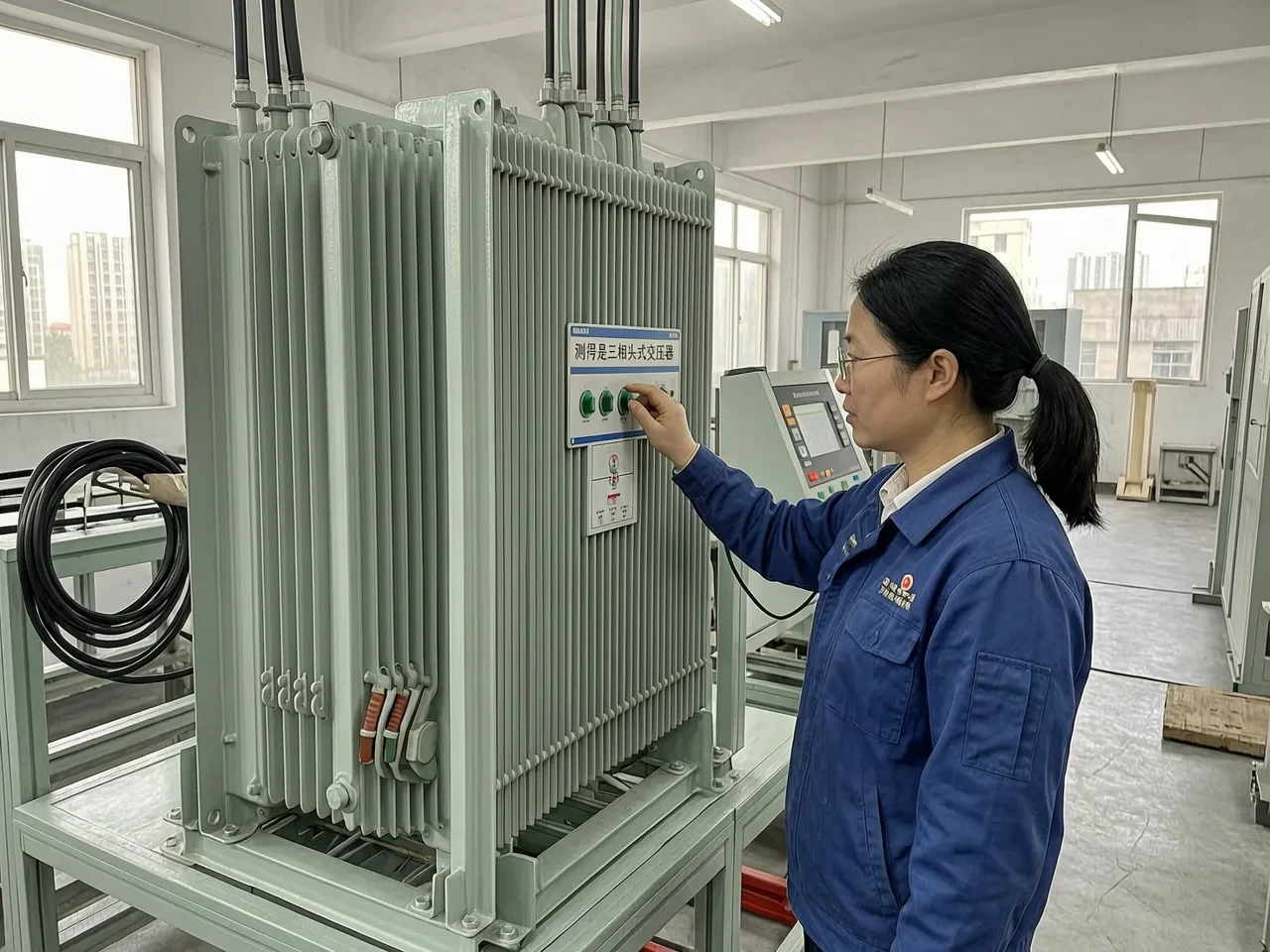
Before any transformer leaves our workshop, it goes through a set of routine checks designed to confirm that what was ordered is what gets delivered. The process starts with a review of the approved drawing against the finished unit, followed by electrical tests that cover insulation and performance under rated conditions.

Each unit is tested individually rather than by batch sampling, so that any deviation is caught before packing. Results are recorded and can be compiled into a test report for your project files. For customized designs, the report also reflects the agreed specifications, making it easier to verify the transformer against your equipment requirements.

If your project needs additional documentation, our team can prepare the records in the format your engineering department prefers. Talk to us when placing an order so the right documents are prepared from the start.
Why Winding Accuracy Matters for Transformer Life
ProductionMay 29, 2026

Why Winding Accuracy Matters for Transformer Life

Consistent winding tension and layering help transformers run cooler and last longer.

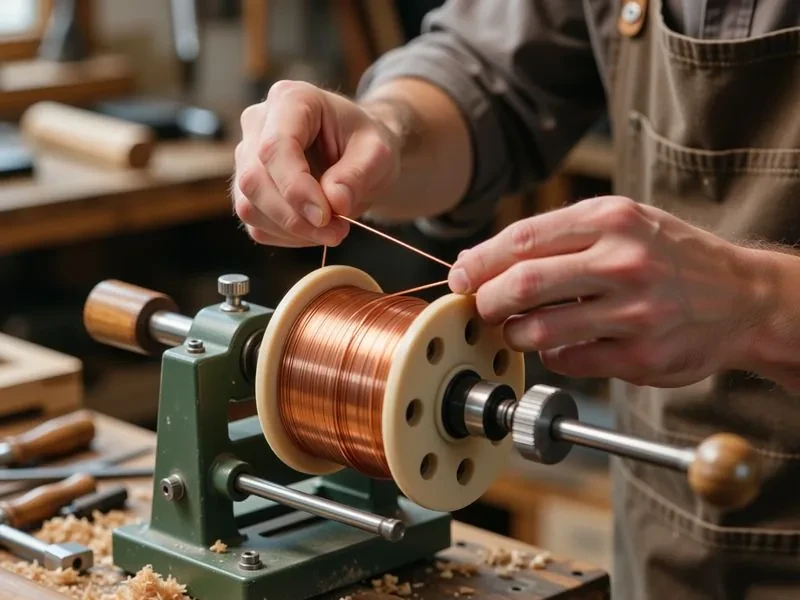
Winding is where a transformer's electrical behaviour is decided. If tension varies from turn to turn, the coil is not evenly packed: some layers sit loose, others press against the insulation, and the winding can shift slightly under load. The result shows up as extra vibration, higher temperature rise at the hot spots and, over time, added stress on the insulation.

Our coils are wound with controlled tension, and each layer is dressed before the next one begins. Turn counts, tap positions and layer insulation are checked against the drawing before the core and coil assembly moves to the next station.

Accurate winding is not a single inspection point. It is a habit carried through every unit, including one-off custom designs.

Selecting Silicon Steel for Lower Transformer Loss
MaterialsMay 8, 2026

Selecting Silicon Steel for Lower Transformer Loss

How core material choice influences no-load loss and efficiency in daily operation.

No-load loss is decided largely by the core. The grade of silicon steel, the sheet thickness and how tightly the laminations are stacked all affect how much energy the transformer draws even when nothing is connected to its secondary.

Higher-grade, thinner laminations reduce eddy-current and hysteresis loss, but they cost more and need cleaner handling. A burr on an edge or a bent corner can create a local hot spot that costs more than the material saves. The insulation coating between sheets has to stay intact, and stacking pressure has to be consistent from one unit to the next.

For most machinery applications, the practical question is not which steel is best in theory, but which grade keeps temperature rise and running cost in balance with the purchase price. We match the core to the duty cycle and load profile of the equipment the transformer serves, and record the choice on the drawing so it can be verified on delivery.

Export Packing That Protects Transformers in Transit
DeliveryApr 16, 2026

Export Packing That Protects Transformers in Transit

How we pack transformers for long-distance shipping and handling at ports.

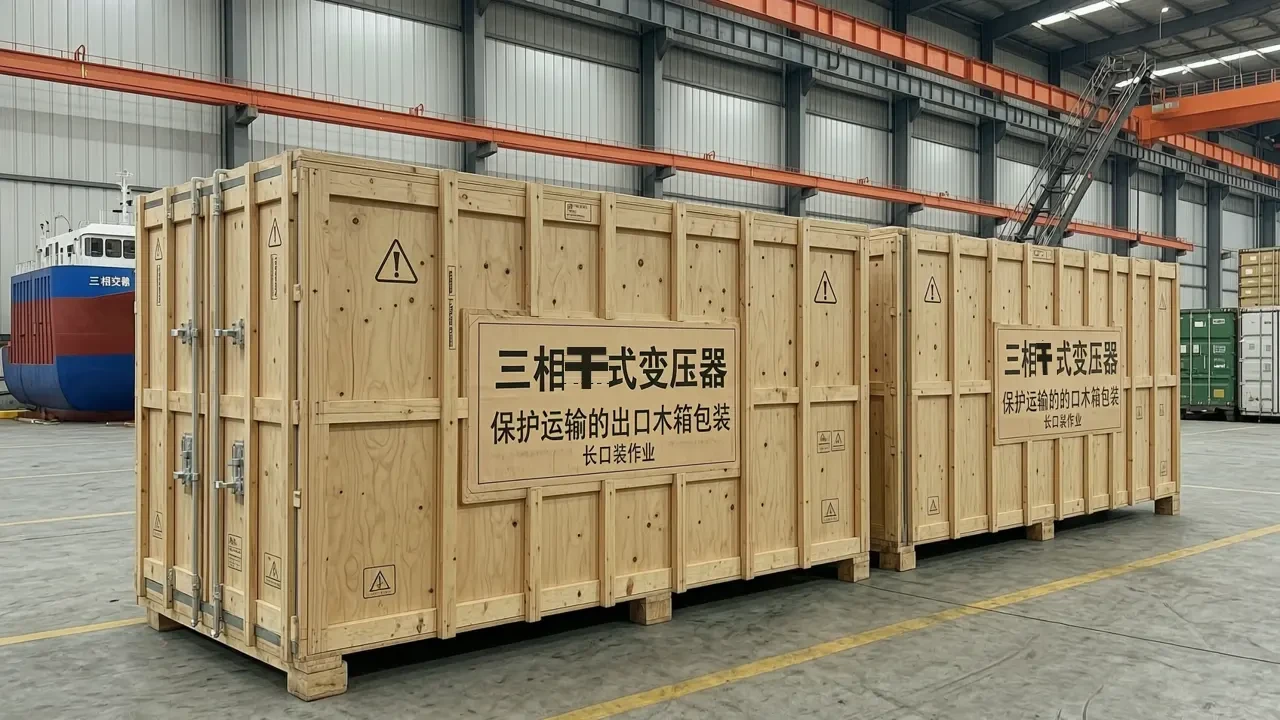
A transformer that arrives damaged costs far more than the packing it would have needed. Long-distance shipping puts a unit through repeated handling, road vibration and humidity changes between climates, so the packing has to protect the coil, the terminals and the core at the same time.

Units are wrapped against moisture, fixed to a wooden base so they cannot shift, and braced inside the crate with enough clearance for forklift handling at the port. Terminal blocks and small accessories are protected separately, and every crate is marked with weight, centre of gravity and handling symbols.

Before sealing, we photograph the packed unit and keep the images with the shipping documents, so the condition at dispatch can be checked later if needed. When a project needs specific export packing or certificates, we arrange them together with the order.

Five Questions to Prepare Before a Custom Design
EngineeringMar 21, 2026

Five Questions to Prepare Before a Custom Design

The information that helps us quote an accurate custom transformer faster.

A custom transformer has no standard answer, and how accurate the quotation is depends on how complete the information is at the start. These are the five questions we usually ask first.

1. What are the input and output voltages? Besides the main output, do you need additional output groups or intermediate taps?

2. What is the capacity and load condition? Rated capacity in VA or kVA, load type (resistive, motor, rectifier) and whether the duty is continuous or short-time all matter.

3. What frequency, phase and connection? 50 Hz or 60 Hz, single-phase or three-phase, and if three-phase, which vector group you require.

4. What installation and structure limits apply? Available space, mounting method (panel, DIN rail, floor standing), whether an enclosure and terminal block are needed, and the required protection degree.

5. What environment and delivery requirements? Ambient temperature, altitude, dust or humidity, any certification and test report requirement, and your expected lead time and quantity.

More detailed information speeds up drawing and quotation. We will follow up to confirm any missing details.